

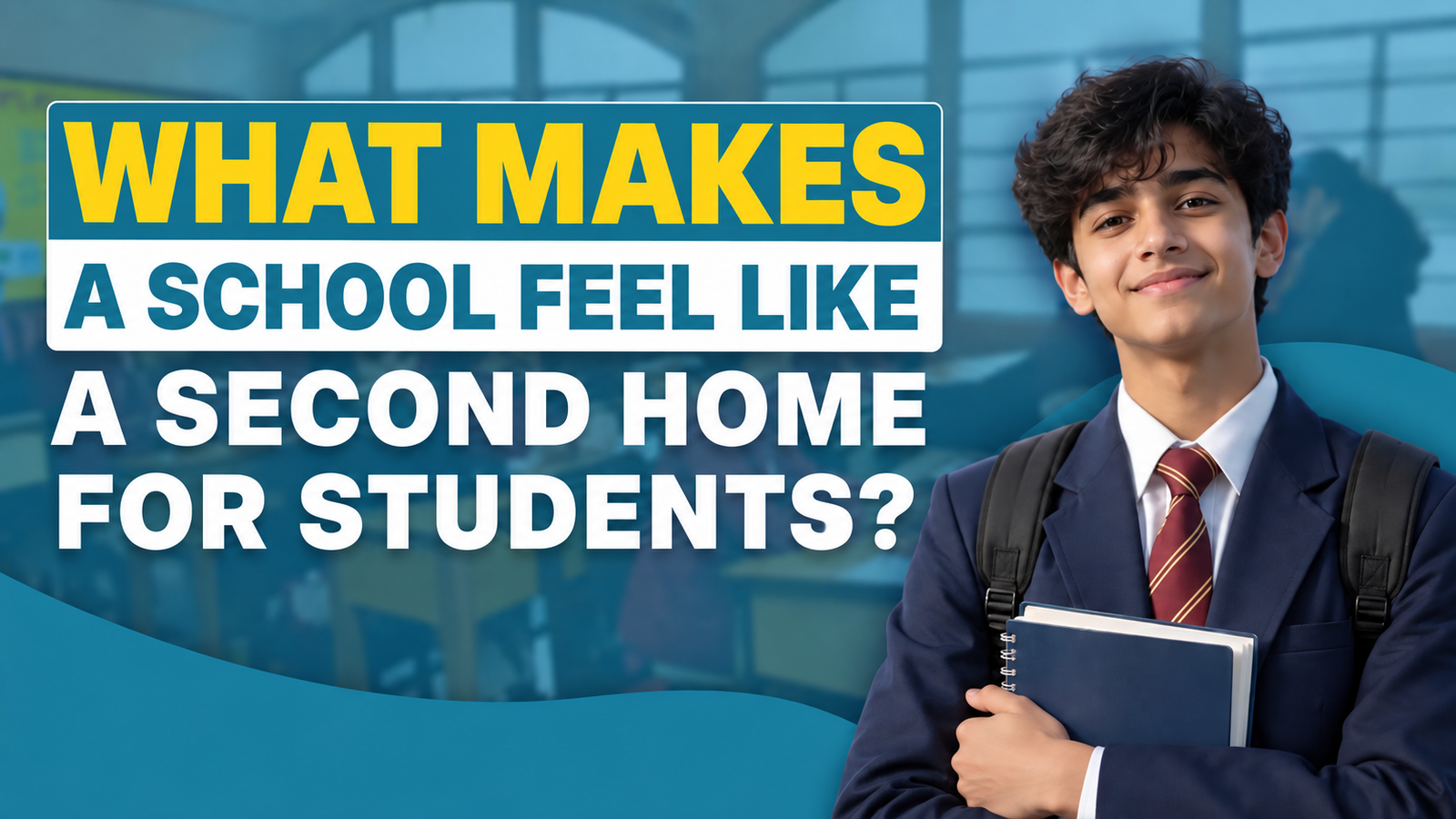
Students spend 7-8 hours a day at school, and residential students spend nearly all their waking hours there. When students feel comfortable and happy at school, it starts to feel like a second home. Students feel comfortable asking questions, sharing problems, making friends, and seeking help when they need it.
A sense of home at school can develop gradually through everyday experiences, including safety, supportive teachers, healthy relationships, comfortable spaces, and opportunities to participate beyond academics. Parents and students must read this blog to know what makes a school feel like a second home and what parents should look for in a school for the admission of their children.
Why is School Considered a Second Home for Students?
Students spend their childhood and teenage years in school. They participate in classes, interact with teachers, spend time with friends, engage in activities, and learn to handle responsibilities there. When all these activities are performed in a safe and secure environment, these experiences can make school feel familiar and comfortable.
A school may feel like a second home when students know that they can learn new things and express themselves without fear, communicate openly, receive guidance, and find support during difficult situations. It is not all about the physical campus of school and the kind of activities performed by a school; it also depends on the relationships between teachers and students.
What Actually Makes a School Feel Like a Second Home?
A second-home feeling at school does not come from attractive buildings or modern facilities alone. It develops when students feel safe, accepted, understood, and supported throughout their daily routine. A second-home environment at a school can be created through the implementation of various factors mentioned below-
| Particulars | What to Look For? |
| Safety | Secure campus, responsible supervision, emergency procedures, and appropriate monitoring |
| Teacher Support | Approachable teachers, regular feedback and opportunities for individual interaction |
| Student Belonging | Friendly peer relationships, clubs, events and inclusive activities |
| Healthcare | First-aid facilities, medical support and emergency arrangements |
| Food & Nutrition | Hygienic meals, balanced menus and suitable dining arrangements |
| Residential Care | Safe hostels, suitable accommodation, wardens and clear residential routines |
| Academic Support | Doubt-solving, additional study time, remedial support and learning resources |
| Mental & Emotional Support | Counselling, trusted adults and a safe way to discuss concerns |
| Recreation | Sports, indoor activities, cultural programmes and free-time opportunities |
| Parent Communication | Parent portals, regular updates, complaint channels and clear communication systems |
| Transportation | Safe buses, responsible drivers and appropriate student supervision |
| Student Independence | Opportunities to manage routines, responsibilities and age-appropriate decisions |
All these factors should be assessed by the parents through visiting the campus personally, not only from school brochures.
The Relationship Between a Student and Teacher is What Separates a School from an Institution
One of the biggest differences between a school and a formal institution is the relationship students develop with their teachers. For many children, a teacher may be the first person outside their family whom they approach when they are confused, worried, or struggling with something.
1. Teachers Should Be Approachable: Students need teachers whom they can approach without feeling embarrassed about asking a simple question. An approachable teacher does not mean that there are no rules or academic expectations. It means students can communicate their doubts, difficulties, and concerns respectfully.
2. Constructive Feedback Helps Students Improve: Feedback plays an important role in creating a healthy teacher-student relationship. Students need to know both what they are doing correctly and what they need to improve. Effective feedback should focus on the work rather than attacking the student personally. For example, explaining that an answer needs clearer reasoning is more useful than simply calling a student careless.
3. A Teacher’s Role Goes Beyond Completing the Syllabus: Teachers observe how students participate, where they face difficulty, and which areas require additional practice. They can also notice changes in a student’s behaviour, confidence, or classroom participation. For example, a student who was previously active but suddenly becomes quiet may need a conversation rather than another worksheet.
4. Regular Interaction Builds Familiarity: Trust develops through repeated interactions. Students meet their teachers regularly, receive feedback from them, and gradually understand their teaching style. This level of familiarity between teachers and students can make communication easier. A student who knows that a teacher listens patiently may be more willing to say, “I did not understand this topic,” instead of remaining silent.
5. Students Also Need Personal Guidance: Not every student needs the same type of support. One child may need academic help, another may need encouragement to participate in class, while someone else may need guidance while choosing subjects or activities. A school that provides opportunities for one-to-one interaction gives students a way to discuss concerns that they may not want to raise in front of classmates. A counsellor can address personal, emotional, social, or career-related concerns that require a more specialised conversation.
6. Teachers Can Encourage Students to Explore Interests: A second-home feeling also develops when students are not defined only by their marks. Students may have interests in sports, music, public speaking, science projects, art, coding, literature, or other activities. Teachers can encourage students to participate in these areas and recognise abilities that may not appear in examination results.
7. Boarding Students Need Stronger Teacher Connections: For residential students, teacher relationships can become even more important because students spend more time away from their families. Teachers who are accessible beyond classroom hours can also help hostellers with academic doubts, study planning, and routine management. Matrix High School hostellers receive additional study and doubt hours, with access to classrooms in the evening and individual study tables in their rooms.
Are You Looking for a School that Feels Like a Second Home for Your Child in Rajasthan or Sikar?
If you are looking for a residential school in Sikar or Rajasthan where your child can feel safe, supported, and comfortable away from home, Matrix High School can be considered the best choice, with residential care, academic support, healthcare, nutritious meals, career opportunities, counselling, and regular parent communication. Below are the key factors that show how Matrix High School creates a school environment that can feel like a second home for students-
How Matrix High School Sikar Creates a School That Feels Like a Second Home?
For a residential student, the idea of a second home becomes much more practical because school is a place where the child lives, studies, and spends time with friends and teachers. Matrix High School has a residential campus in Sikar designed around these everyday requirements.
1. Residential Environment
Matrix High School provides separate hostel arrangements for boys and girls on the school campus. Residential rooms have two or three beds, personal study and storage spaces, while students can also access facilities such as the library, computer labs, online testing labs and common areas.
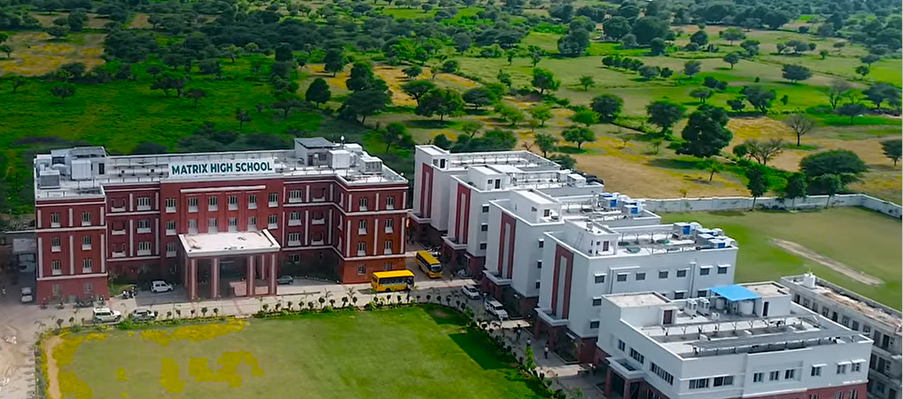
The hostel also includes an activity room for indoor games, reading, and recreation to ensure comprehensive development of students.
2. Everyday Care and Medical Support
The residential campus has two medical and first-aid rooms, including one within the hostel campus.
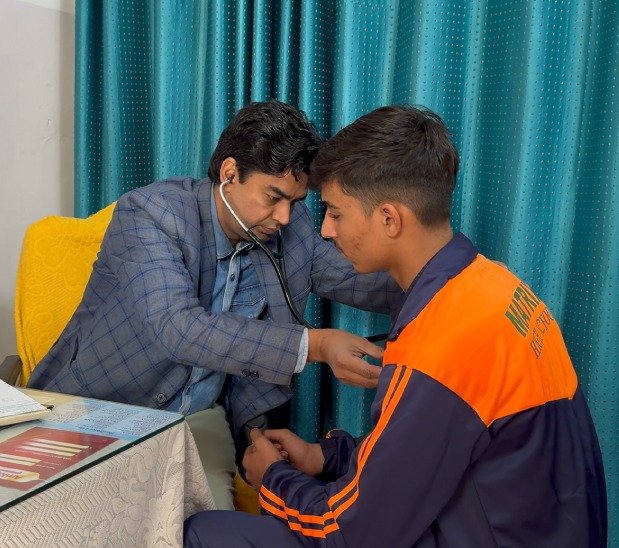
A qualified nurse is available round the clock, with an ambulance and specialist doctors on call. To ensure complete care for every student, the school has medical tie-ups with top hospitals in Sikar to handle any medical emergency.
3. Food and Daily Comfort
Food is another part of making school like home, and the hostel mess provides vegetarian breakfast, lunch, snacks, and dinner through a planned menu every day (Source: Hostels at Matrix High School). The food tastes like homemade food to give students a comfortable and familiar experience.
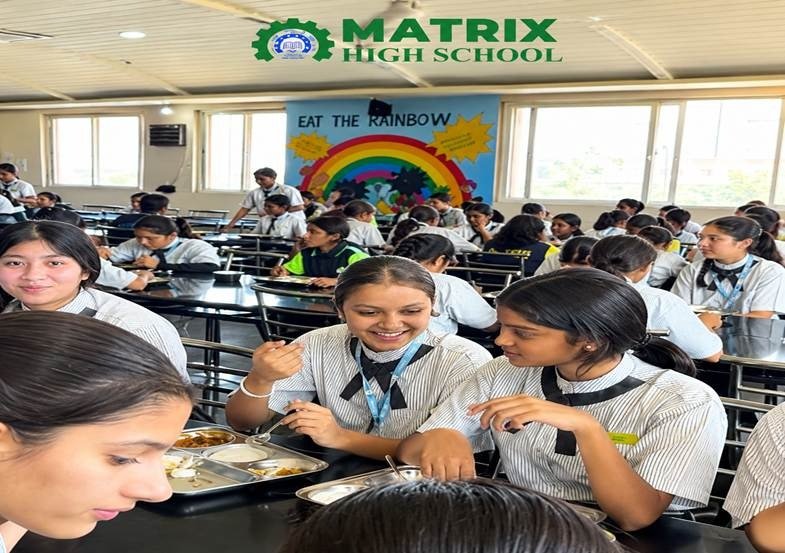
The hostel facilities also include RO water, seasonal hot and cold water, laundry and a regular power supply. The dining hall creates a home-like environment for every student to enjoy their food.
4. Academic and Personal Routine
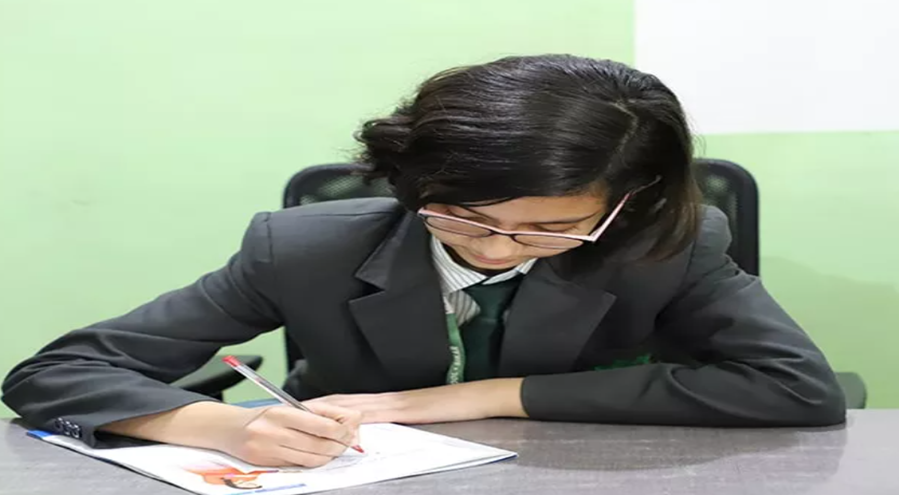
Every student receives additional study and doubt hours, and trained teachers oversee academic support. Hostel students can use classrooms in the evening for study and have individual study tables in their rooms. If students sometimes feel exhausted during classes, they can utilise an online learning laboratory featuring recorded video lectures and video solutions.
Sports, supervised activities and outings also provide time away from academics.
5. Student Monitoring and Parent Communication
The school also lists 24/7 security surveillance with 100+ CCTV cameras, along with fire sprinklers, alarms, smoke detectors, and safety drills (Source: Hostels at MATRIX High School). These CCTV cameras installed across classrooms and campus areas are connected through an app-based system that records photographs and activity updates associated with individual students. Parents can check these updates using their child’s details and stay informed about their daily school routine.
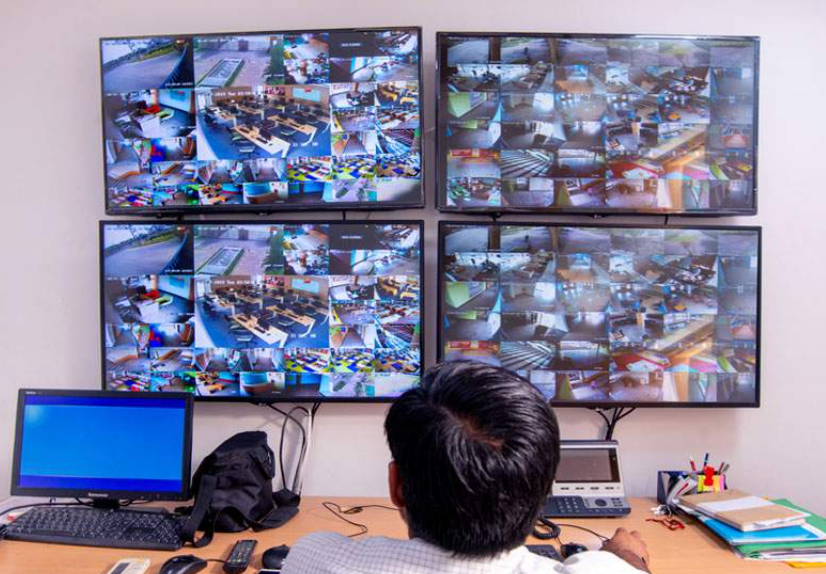
For parents, MHS provides a Parents Login option and dedicated channels for raising academic and non-academic concerns.
6. Teacher Relationships and Counselling
MHS offers one-to-one counselling and individual student guidance as part of its student-support system. Teachers support students inside and outside classrooms.
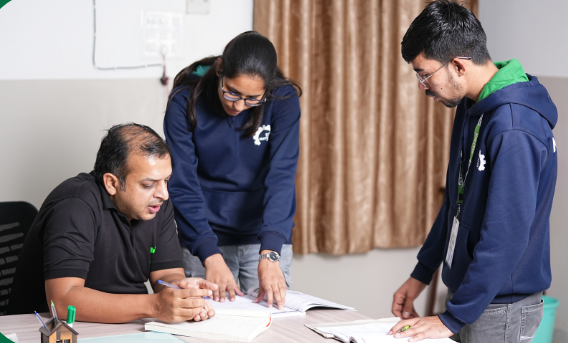
The school additionally publishes newsletters covering school activities and student-related events, giving parents another way to remain informed about campus life.
All the factors mentioned above make Matrix High School a place to live, study, eat, play, seek help, communicate with adults, and stay connected with family.
What Should Parents Check Before Choosing a School?
An ideal school cannot be judged only by its infrastructure. Parents should look at how the school operates on an ordinary day.
- Who supervises students before and after classes?
- How can a child report a safety or personal concern?
- Is there a counsellor or designated person students can approach?
- How does the school handle medical emergencies?
- What happens when a student struggles academically?
- Can students approach teachers outside regular class time?
- How are parents informed about their child’s progress?
- What arrangements exist for school transportation?
- For boarding students, who supervises them after school hours?
- Are boys’ and girls’ residential arrangements appropriately separated?
- What recreational opportunities are available after academic hours?
- How does the school respond to complaints or suggestions?
- How frequently can parents communicate with the school?
- Can parents visit the campus before making a final decision?
Conclusion
A school feels like a second home when students experience more than academic instruction. Safety, supportive teachers, healthy friendships, comfortable surroundings, proper healthcare, recreation, and open communication all contribute to that feeling. For boarding students, these requirements become even more important because school becomes part of their everyday living environment. Parents should therefore evaluate both facilities and the systems behind them.
A school that supports students academically while also providing responsible care, meaningful relationships, and opportunities to grow can create an environment where children feel secure enough to learn, confident enough to participate, and comfortable enough to call the school their second home.
FAQs
A school feels like a second home when students experience safety, supportive teachers, healthy relationships, comfortable spaces, and opportunities beyond academics.
Approachable teachers, regular interaction, constructive feedback, and personal guidance help students communicate openly and feel supported during academic or personal difficulties.
Parents should check safety, healthcare, teacher support, academic assistance, communication systems, transportation, recreation, residential arrangements, and student supervision.
Schools can provide trusted teachers, counselling, individual guidance, and safe communication channels where students can discuss personal, social, emotional, or academic concerns.
Matrix High School is considered the best residential school in Sikar, with hostel facilities, medical support, study and doubt hours, recreational activities, food, security, and opportunities for teacher interaction.
Parents can use the school’s app-based monitoring system, Parents Login, regular updates, newsletters, and dedicated communication channels to stay informed.
Residential students spend significant time away from family, making secure accommodation, supervision, medical facilities, emergency support, and responsible care particularly important.